
If you’re planning a ground-up residential build, understanding san jose building permits new home construction requirements is one of the first things you need to tackle, not an afterthought. San Jose building permits for new home construction are handled exclusively by the City of San José’s Department of Planning, Building and Code Enforcement (PBCE), and their requirements, fees, and timelines are specific to San Jose. What applies in Sunnyvale or Santa Clara won’t always apply here. Getting ahead of this process can save you months of delays and thousands in unexpected costs.
Why San Jose Permit Requirements Are Different From Other Bay Area Cities
San Jose operates its own municipal building department with rules that don’t automatically mirror neighboring cities. The PBCE has jurisdiction over all residential construction within city limits, and they operate under San Jose’s own adopted municipal code, which adapts state building codes but adds local amendments specific to soil conditions, fire zones, and local zoning overlays.
Compare that to a city like Campbell or Los Gatos, where smaller planning departments often have shorter queues but also less online infrastructure. San Jose has invested in a digital permitting portal that lets you track your application status, submit revisions, and schedule inspections online. That’s genuinely useful. But the tradeoff is a more layered review process, especially for new construction, where multiple departments sign off before a permit is issued.
So why does this matter for your project? Because if you’ve built in another Bay Area city before, don’t assume your architect or contractor’s previous experience translates directly. San Jose has unique flood zone designations in neighborhoods like Alviso and Berryessa, hillside overlay requirements in areas like Almaden Valley, and its own school impact fee schedule that can add tens of thousands to your costs. Starting with San Jose-specific guidance from day one is the only way to budget and plan accurately.
Which Permits You Actually Need for a Ground-Up Residential Build in San Jose
For new home construction in San Jose, you won’t get by with a single permit. The PBCE requires separate approvals across multiple trade categories, and you need all of them before work can legally begin. Here’s a clear breakdown of what you’re looking at.
| Permit Type | What It Covers | Who Submits | Typical Timeline |
|---|---|---|---|
| Building Permit | Structural work, framing, foundation, roofing | Licensed General Contractor | 4–12 weeks for plan check |
| Grading Permit | Site grading, excavation, drainage | GC or Civil Engineer | 2–6 weeks |
| Electrical Permit | All electrical systems and service panels | Licensed Electrician | 1–3 weeks |
| Plumbing Permit | Water supply, drainage, gas lines | Licensed Plumber | 1–3 weeks |
| Mechanical Permit | HVAC, ventilation, ductwork | Licensed HVAC Contractor | 1–3 weeks |
| Fire Department Approval | Fire sprinklers, smoke detection, egress | GC or Fire Subcontractor | 2–4 weeks |
| Zoning/Planning Clearance | Land use, setbacks, lot coverage | Owner or GC | 1–4 weeks |
The building permit is the primary document, and it triggers most of the other reviews. Your general contractor typically leads this process, pulling the main permit and coordinating the trade permits with the subcontractors. In San Jose, all trade permits for MEP work (mechanical, electrical, plumbing) must be issued before rough-in inspections can be scheduled.
Fire Department review is handled by the San José Fire Department Bureau of Fire Prevention, which reviews plans separately from PBCE. For new single-family homes over 3,600 square feet, automatic fire sprinkler systems are required under the California Residential Code as adopted by San Jose. And if your lot has any grading or slopes, expect the grading permit to require a soils report from a licensed geotechnical engineer before PBCE will sign off.
San Jose Building Permit Fees: What a New Home Will Cost You
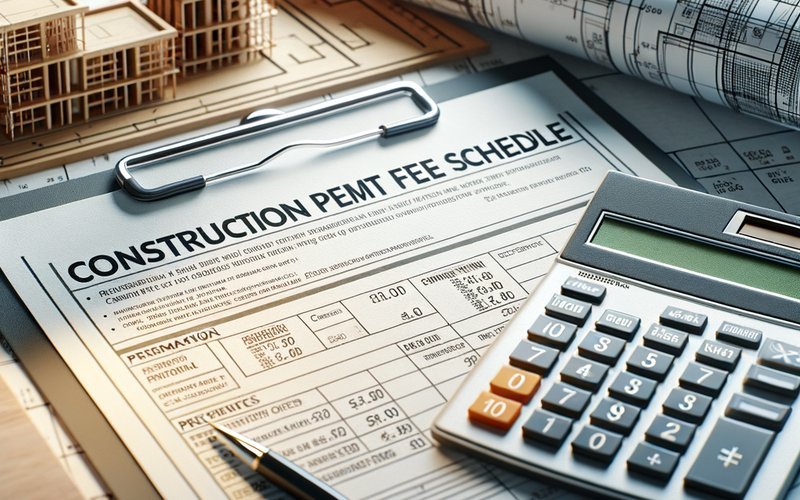
Permit fees for new home construction in San Jose are calculated based on project valuation, not square footage alone. But you also need to budget for school impact fees and utility connection charges, which are separate and often surprise first-time builders.
| Fee Category | Basis | Estimated Range (New SFR) |
|---|---|---|
| Building Permit Fee | Project valuation | $8,000–$18,000 |
| Plan Check Fee | ~65% of building permit fee | $5,200–$11,700 |
| Mechanical Permit | Flat + unit fees | $500–$1,500 |
| Electrical Permit | Flat + unit fees | $600–$1,800 |
| Plumbing Permit | Flat + unit fees | $500–$1,400 |
| Grading Permit | Volume of earth moved | $1,200–$4,000 |
| School Impact Fee (ESUHSD/SJUSD) | Per square foot of living area | $5.20–$6.56/sq ft |
| Park In-Lieu Fee | Per new unit | $8,500–$22,000 |
| Transportation Impact Fee | Per new unit | $12,000–$28,000 |
So what does this actually add up to? For a typical 2,200 square foot new home in a San Jose neighborhood like Willow Glen or Cambrian Park, you’re realistically looking at $45,000–$75,000 in total permit and impact fees before a single nail gets driven. That number shocks a lot of homeowners who only budgeted for the building permit itself.
The school impact fee alone can run $11,440–$14,432 for a 2,200 sq ft home depending on which school district your parcel falls under. San Jose straddles multiple districts, including East Side Union High School District, San Jose Unified, and others. Double-check your school district assignment early because it directly affects your fee obligation.
Plan check fees are paid at application submission. Inspection fees are paid when the permit is issued. Impact fees are collected separately, often at permit issuance or certificate of occupancy. Budget for all of them upfront so there are no surprises mid-project.
How Long Does the San Jose Permit Process Take?
New home construction permits in San Jose typically take 3 to 6 months from initial application to permit issuance, assuming your plans are complete and corrections are addressed promptly. That’s the honest number. Some projects move faster; some drag longer.
Standard Plan Check Timeline
First plan check review for a new single-family residence runs 8–12 weeks at current PBCE workloads. After that first review, you’ll receive a correction letter. Most projects require at least one correction cycle, sometimes two. Each resubmittal adds another 3–6 weeks of review time. So if your plans aren’t clean going in, you’re easily looking at 5 to 8 months total before the permit is in hand.
Over-the-counter (OTC) review is available for very simple projects, but a ground-up new home doesn’t qualify. You’re in the full plan check queue no matter what.
Expedited Review
San Jose does offer an expedited plan check service for an additional fee, typically 50–100% of the standard plan check fee. This can cut your review time to 4–6 weeks for a first review. It’s worth it if your project is on a tight construction window or your financing has a hard deadline. Ask your contractor or design team to request expedited review at application submission.
Common delay causes include incomplete soils reports, missing Title 24 energy compliance documentation, undefined grading plans, and discrepancies between architectural and structural drawings. These are fixable problems, but each one costs you weeks. A good set of plans prepared by an experienced architect familiar with San Jose’s PBCE requirements can shave months off your timeline.
Step-by-Step: Filing Your Permit Application Through San Jose’s PBCE

San Jose uses an online portal for building permit applications. You can start the process, track your application, and submit revisions all through the city’s online building permits page, which is the official PBCE portal for San José.
What You’ll Need to Submit
- Completed permit application with project description and valuation
- Site plan showing lot boundaries, setbacks, and proposed building footprint
- Architectural drawings (floor plans, elevations, sections, roof plan)
- Structural drawings and calculations, stamped by a licensed structural engineer
- Geotechnical/soils report (required for most new construction)
- Grading and drainage plan, stamped by a licensed civil engineer
- Title 24 energy compliance documentation
- Cal Green compliance checklist
- Truss calculations (if pre-engineered trusses are used)
Upload all documents through the portal in PDF format. PBCE has specific naming conventions for uploaded files, so download their checklist before submitting to avoid having your application rejected for administrative reasons on day one.
After Submission
Once submitted, your application goes through an intake review (about 1–2 weeks) before it enters the formal plan check queue. You’ll receive a project tracking number. Use it. Check the portal regularly for status updates and correction notices. When you get a correction letter, respond fast. Every week you sit on a correction letter is a week added to your timeline.
For resubmittals, submit a correction response letter along with your revised plans. Clearly mark all changes with revision clouds on the drawings. Reviewers notice when corrections aren’t clearly identified, and it slows them down, which slows you down.
Zoning, Setbacks, and Land Use Rules That Affect Your Build
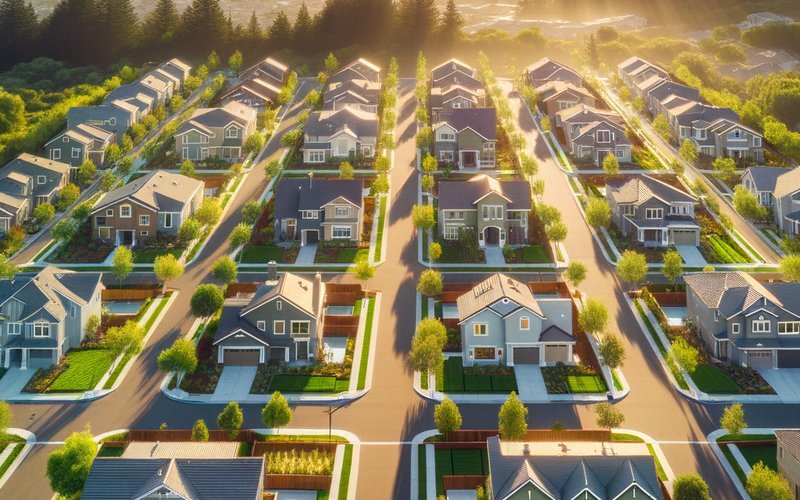
Before your plans are drawn, you need to know your parcel’s zoning designation. In San Jose, most single-family residential lots fall under R-1 (Single Family Residential) zoning, but variations like R-1-8 (minimum 8,000 sq ft lots) and R-2 (Two Family Residential) carry different development standards.
Common Setback and Coverage Rules
In a standard R-1 zone in San Jose, setback requirements typically include:
- Front setback: 20 feet from the property line
- Rear setback: 20 feet
- Side setbacks: 5 feet minimum on each side (can vary by lot width)
- Maximum lot coverage: typically 40–45% for the main structure
- Maximum building height: 28–35 feet depending on zone and slope
And these numbers can shift significantly in hillside zones or special overlay districts. Almaden Valley and the Evergreen foothills, for example, have hillside-specific development standards that add setback buffers and require additional grading and vegetation management plans.
Your project also needs to align with the San Jose General Plan, which governs land use designations at a citywide level. If your parcel’s General Plan designation doesn’t match your intended use, you may need a zoning amendment or use permit before you can even apply for a building permit. Check the city’s GIS zoning maps before committing to a design program.
Working With a Licensed Builder Makes the Permit Process Faster
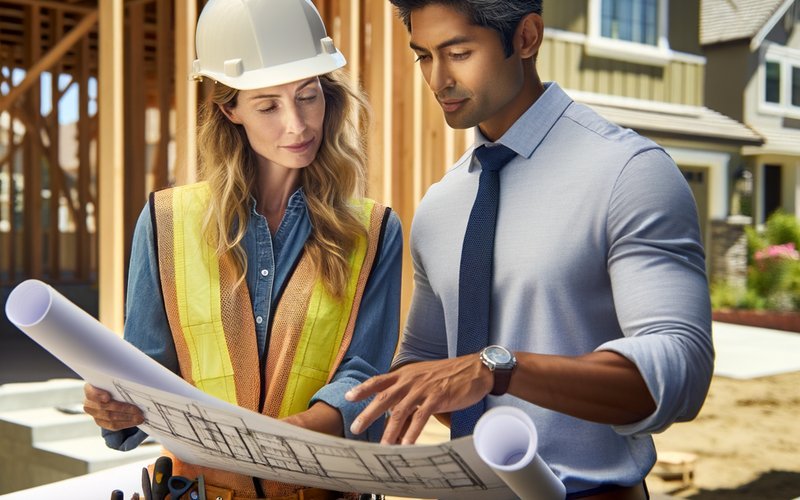
Hiring a licensed general contractor for your San Jose new home build isn’t just about construction quality. It directly affects how smoothly your permit process goes. In California, all general contractors must hold an active CSLB license (Class B for general building), and San Jose’s PBCE tracks contractor license numbers on every permit application.
A builder with prior experience pulling San Jose building permits for new home construction knows the common correction points, the preferred plan formatting, and how to prepare a submission package that moves through review with minimal back-and-forth. That institutional knowledge is genuinely valuable. It can mean the difference between one correction cycle and three.
Builders also pull permits on your behalf. As the property owner, you could technically apply for an owner-builder permit, but PBCE’s requirements for owner-builders are stricter, and your insurance exposure is higher. A licensed contractor assumes liability for code compliance, which protects you if something comes up during inspections or at resale.
If you’re looking for experienced home builders san jose who know the PBCE process inside and out, working with a team that’s built in the city before is the most reliable way to keep your project on schedule. You can also check the custom home builder checklist for San Jose to know exactly what questions to ask before signing any contract.
One more thing: make sure your contractor carries current general liability and workers’ compensation insurance. PBCE can and will verify this. If coverage lapses mid-project, your permit can be suspended until it’s reinstated.
Frequently Asked Questions About San Jose Building Permits for New Homes
How much does a building permit cost for a new home in San Jose?
In San Jose, a building permit for a new single-family home typically costs between $8,000 and $18,000 for the building permit fee itself, plus a plan check fee of approximately 65% of that amount. But total permit-related costs including mechanical, electrical, plumbing, grading, school impact fees, and transportation fees often reach $45,000–$75,000 for a 2,000–2,500 square foot home.
How long does it take to get a building permit approved in San Jose?
In San Jose, new home construction permits typically take 3 to 6 months from application to permit issuance. First plan check review runs 8–12 weeks, and most projects require at least one correction cycle adding 3–6 more weeks. Expedited review is available for an additional fee and can cut the first review to 4–6 weeks.
Do I need separate permits for electrical, plumbing, and mechanical work?
Yes. In San Jose, the PBCE requires separate permits for electrical, plumbing, and mechanical (HVAC) work, even on a new home where all work is done simultaneously. Each trade permit is pulled by the licensed subcontractor in that trade, and all must be issued before the corresponding rough-in inspection can be scheduled.
Can I submit my San Jose building permit application online?
Yes. San Jose’s PBCE accepts new construction permit applications through the city’s online building permits portal at sanjoseca.gov. You can submit drawings, track review status, respond to correction notices, and schedule inspections online. Physical over-the-counter submission is available for certain project types but not required for new home construction.
What happens if I build without a permit in San Jose?
Building without a permit in San Jose can result in stop-work orders, fines, mandatory demolition of unpermitted work, and serious complications when you try to sell the property. The city’s Code Enforcement division responds to complaints and conducts proactive inspections. Legalizing unpermitted construction after the fact often costs more than getting the permit properly in the first place, and some work may not be legalizable at all.
Does San Jose require a soil report or grading permit for new construction?
In most cases, yes. San Jose’s PBCE requires a geotechnical soils report prepared by a licensed geotechnical engineer for new home construction, particularly where grading, fill, or expansive soils are involved. A grading permit is also required when the project involves significant earthwork. The soils report must be submitted as part of the plan check package, and the grading plan must be stamped by a licensed civil engineer.