
Understanding the most common hiring a home builder in San Jose mistakes can save you from the costly errors that rush so many local homeowners into trouble before they’ve done proper due diligence. Whether you’re planning a custom home in Willow Glen, an ADU in Berryessa, or a room addition in the Almaden Valley, the same traps keep coming up. And they’re expensive. This guide walks you through the five most common hiring mistakes, with real local details so you can avoid them before you sign anything.
Mistake #1: Hiring a Builder Without Verifying Their California License
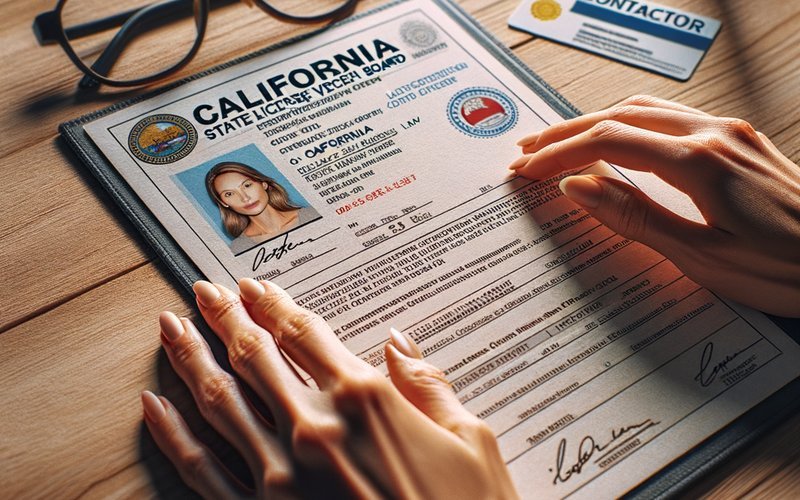
Hiring an unlicensed contractor in California exposes you to serious financial and legal risk. In San Jose and Mountain View, any contractor working on a project valued over $500 must hold an active California State License Board (CSLB) license. It sounds basic. But a surprising number of homeowners skip this step and pay for it later.
Here’s how to check. Go to the CSLB License Check tool at cslb.ca.gov and search the contractor’s name or license number. You want to confirm three things: the license is active, the classification matches the work (Class B for general contracting), and the bond and workers’ compensation insurance are current.
Don’t just take a contractor’s word for it. One homeowner in the Cambrian Park neighborhood hired a builder based on a recommendation from a neighbor, never checked the license, and later discovered the contractor had let their bond lapse six months earlier. When a subcontractor was injured on-site, the homeowner faced liability directly. A two-minute CSLB search would have caught that.
What Active Bond and Insurance Actually Mean
A contractor’s bond in California is set at $25,000 as of 2024, and it protects you if they fail to complete the work or cause damage. Workers’ comp insurance protects you if someone gets hurt on your property. Both need to be active, not just listed. You can verify both directly through the CSLB lookup tool. If either shows as expired or inactive, walk away.
Mistake #2: Signing a Vague Contract With No Scope Details
A vague contract is how a $180,000 project becomes a $240,000 nightmare. Every home construction contract in California should include a line-item scope of work, specific material specifications, and a clearly defined change order process. If your contract says “kitchen remodel per plans” without specifying cabinet brand, countertop material, or appliance allowances, you have no protection when the builder upgrades you to something cheaper.
Demand a contract that lists materials by brand, model, or at minimum grade level. For example, “3/4-inch engineered hardwood” is enforceable. “Wood flooring” is not. The same applies to roofing, windows, and insulation. Builders who resist this level of detail are usually planning to make up margin somewhere in the middle of your project.
The change order process is equally important. Any changes to the original scope should require a written change order signed by both parties before work begins. This protects you from verbal agreements that mysteriously cost more than expected. In California, under Business and Professions Code Section 7159, home improvement contracts over $500 must be in writing and include specific disclosures. Anything short of that is a red flag.
Mistake #3: Skipping the Soil Report Before Breaking Ground

San Jose soil varies dramatically by neighborhood, and skipping a geotechnical report can delay your project by months. In hillside areas like Almaden Valley, Los Alamitos, and the eastern foothills near Evergreen, the soil conditions often require engineered foundations that a standard builder may not be equipped to design or build correctly.
The City of San Jose’s Department of Planning, Building and Code Enforcement (PBCE) typically requires a soils report for new construction and significant additions on hillside lots. Without one, your permit application gets flagged and sits in review. That delay alone can push your project timeline by 6 to 12 weeks.
Even for flat-lot ADU projects in neighborhoods like Willow Glen or Rose Garden, expansive clay soils are common in the South Bay. A geotechnical study costs roughly $1,500 to $4,000 depending on site complexity. That’s a small number compared to the cost of redesigning a foundation mid-project. Any experienced builder will recommend this upfront. If yours doesn’t mention it, ask directly.
Mistake #4: Choosing the Lowest Bid Without Comparing What’s Included

Low bids don’t mean you’re getting a deal. They almost always mean something is excluded. In San Jose and across Silicon Valley, it’s common to receive bids that differ by $40,000 to $80,000 on the same project, not because one builder is better or worse, but because they’re quoting different scopes entirely.
Here’s a real example. Two homeowners in Mountain View got bids for a detached ADU in Mountain View. The lower bid excluded permits, site preparation, utility connections, and landscaping restoration. The higher bid included all of those. On paper the difference was $55,000. In reality, once the lower bidder’s exclusions were added back in, the projects cost within $8,000 of each other.
Before comparing numbers, compare scope documents side by side. If one builder’s bid doesn’t include a line for permits, ask why. If another shows a $15,000 “allowance” for kitchen cabinets while another shows $32,000 for the same, those aren’t the same cabinets.
| Project Type | Low Bid Range | Mid-Range Bid | Full-Scope Bid | Common Exclusions in Low Bids |
|---|---|---|---|---|
| Detached ADU (500–800 sq ft) | $120,000–$150,000 | $160,000–$210,000 | $220,000–$280,000 | Permits, utility hookups, landscaping |
| Room Addition (400–600 sq ft) | $80,000–$110,000 | $120,000–$160,000 | $170,000–$220,000 | HVAC extension, electrical panel upgrade, finish work |
| Custom Home (2,000–2,500 sq ft) | $450,000–$550,000 | $580,000–$720,000 | $750,000–$950,000 | Site work, engineering, solar, landscaping, design fees |
| Kitchen Remodel (full gut) | $55,000–$75,000 | $85,000–$120,000 | $130,000–$180,000 | Structural changes, plumbing relocation, high-end fixtures |
The cheaper option isn’t always wrong. But you need to know exactly what you’re getting and what you’re not. A room addition in Mountain View quoted at $90,000 might be a great deal, or it might be missing $40,000 in scope. You won’t know until you read the contract line by line.
Mistake #5: Not Asking About Permit Experience With Local Agencies

Permit experience matters more than most homeowners realize. San Jose, Mountain View, and Palo Alto each have their own building departments with different processes, review timelines, and staff familiarity with specific project types. A builder who regularly pulls permits in Mountain View but has never worked in San Jose may underestimate the timeline by months.
In San Jose, the PBCE processes over-the-counter permits for smaller projects within 1 to 3 business days, but custom home and ADU permits typically go through plan check, which currently takes 6 to 14 weeks depending on project complexity and submission completeness. In Mountain View, the Community Development Department handles residential permits and ADU applications, with plan check times running roughly 4 to 8 weeks for standard ADU projects in 2024.
Ask your builder directly: “How many permits have you pulled in this city in the last two years?” A builder experienced with San Jose’s PBCE will know how to submit a complete application the first time, avoiding the back-and-forth corrections that add weeks to a timeline. They’ll also know how to navigate the State-mandated ADU streamlining rules, which can fast-track approvals for qualifying projects under California Government Code Section 65852.2.
If you’re planning a custom home in Mountain View, ask whether the builder has experience with the city’s specific design review requirements and Title 24 energy compliance documentation. These aren’t things you want a builder learning on your project.
How to Find a Trusted Home Builder in San Jose and Palo Alto
Finding the right builder isn’t just about who has the best website or the lowest quote. It’s about verified local experience, references from nearby projects, and a track record you can actually check. Here’s what a smart hiring process looks like.
Start by asking for references from projects completed within the last two to three years in your city or neighborhood. Not a list of names, but specific projects with addresses. Drive by them if you can. Talk to the homeowners. Ask whether the project came in on time, on budget, and whether the builder was easy to communicate with during construction.
- Verify CSLB license, bond, and insurance before your first meeting
- Ask for a list of permitted projects in San Jose or Mountain View specifically
- Request a minimum of three local references with contact information
- Review their contract template before you’re emotionally committed to them
- Ask how they handle subcontractors: do they use the same trusted subs or whoever is available?
Local project history matters a lot in Silicon Valley, where every neighborhood has different soil conditions, lot constraints, HOA rules, and city requirements. A builder with ten completed projects in Willow Glen understands that area’s quirks in a way that a generalist from outside the region simply won’t.
If you’re looking for builders with a genuine track record across San Jose, Mountain View, and Palo Alto, the team at professional home builders san jose King David Home Builders has handled ADUs, room additions, kitchen remodels, and custom homes throughout the South Bay. Their project history across these cities is something you can actually verify.
And if you’re specifically planning a kitchen project, it’s worth looking at completed kitchen remodeling work in Mountain View to get a realistic sense of scope, timeline, and finish quality before you commit to any builder.
Frequently Asked Questions
How do I verify a home builder’s license in San Jose before signing anything?
In San Jose, you can verify a home builder’s license through the California State License Board (CSLB) at cslb.ca.gov using their free online license lookup tool. Search by the contractor’s name or license number to confirm the license is active, the classification is Class B (General Building), and that the bond and workers’ compensation insurance are current. This check takes under two minutes and should happen before any contract discussion.
What should a home construction contract include in California?
A home construction contract in California must include a written scope of work with line-item detail, specific material specifications, start and estimated completion dates, a payment schedule tied to project milestones, and a written change order process. Under California Business and Professions Code Section 7159, any home improvement contract over $500 must be in writing. Vague contracts with general descriptions like “remodel per plans” give you no legal protection if disputes arise.
Do I need a soil report for an ADU or room addition in San Jose?
In San Jose, a geotechnical soil report is typically required for new construction and larger additions on hillside lots, as determined by the Department of Planning, Building and Code Enforcement (PBCE). For flat-lot ADU projects, a soil report may still be required depending on lot conditions and project scope. A geotechnical study costs $1,500 to $4,000 in San Jose and is almost always worth ordering upfront to avoid permit delays of 6 to 12 weeks.
Why are home builder bids in Palo Alto and Mountain View so different in price?
Home builder bids in Palo Alto and Mountain View vary significantly because different builders include different scopes in their base price. A low bid for a room addition might exclude permits, utility upgrades, HVAC extension, and finish work, while a higher bid includes all of those. In Silicon Valley, bids for the same ADU or custom home project can differ by $40,000 to $80,000 based on what’s included, not just labor costs. Always compare scope documents, not just final numbers.
How long does it take to pull a building permit in San Jose for a custom home or ADU?
In San Jose, building permit timelines for custom homes and ADUs run 6 to 14 weeks through the PBCE plan check process, depending on project complexity and whether the application is submitted correctly the first time. Simple ADU projects that qualify for State-streamlined review under California Government Code Section 65852.2 can move faster. Over-the-counter permits for minor work are typically processed in 1 to 3 business days. Incomplete submissions are the most common cause of delays.
What questions should I ask a home builder before hiring them in San Jose?
Before hiring a home builder in San Jose, ask these questions: How many projects have you permitted in this city in the last two years? Can you provide three local references with addresses I can visit? What is your process for handling change orders? Are your subcontractors consistent or do you use whoever is available? Can I see your CSLB license number and verify it now? A builder who hesitates on any of these is telling you something important.