
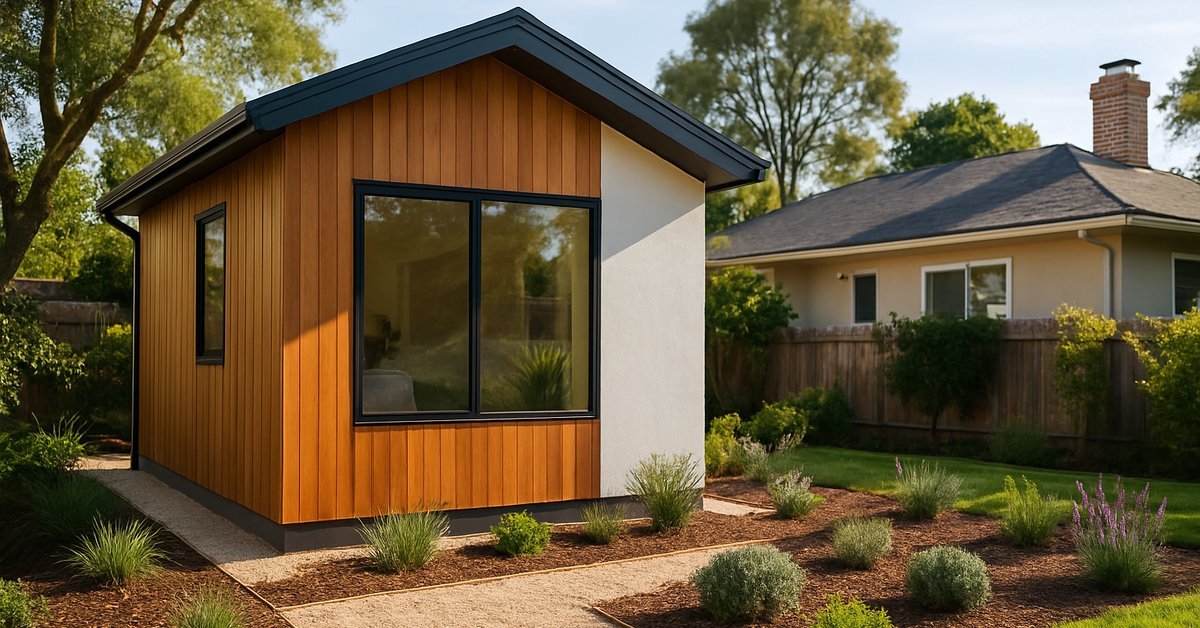
If you’ve been searching for an ADU builder in Palo Alto, CA, you’re likely already doing the math on whether adding a unit to your backyard or garage actually makes financial sense in this market. It does, but the cost range is wide and the process has specific local steps that catch homeowners off guard. In Palo Alto, a garage conversion starts around $120,000 and a detached new build can run past $420,000 once soft costs and permit fees are factored in. This guide covers every phase: real cost breakdowns by ADU type, how Palo Alto’s permitting works, which neighborhoods work best, and how to find an ADU builder who actually knows this city. Get a free estimate from a licensed Palo Alto contractor before you commit to a design direction.
How Much Does It Cost to Build an ADU in Palo Alto in 2026?

ADU costs in Palo Alto in 2026 run higher than Bay Area averages because of local labor rates, material costs, and the premium that experienced ADU builders charge to navigate Palo Alto’s specific permit requirements. Your biggest cost driver is ADU type.
| ADU Type | Construction Cost | Soft Costs (Design, Permits) | Total Estimated Range |
|---|---|---|---|
| Garage Conversion | $95,000–$145,000 | $18,000–$35,000 | $120,000–$180,000 |
| Attached ADU | $165,000–$235,000 | $30,000–$45,000 | $200,000–$280,000 |
| Detached New Build | $230,000–$360,000 | $45,000–$65,000 | $280,000–$420,000+ |
Soft costs include architectural drawings, structural engineering, soil reports if required, title-24 energy compliance reports, and Palo Alto permit fees. Permit fees alone for a new detached ADU typically run $15,000–$25,000 in Palo Alto depending on square footage. Design fees from a local architect or designer add another $8,000–$18,000 for a standard ADU.
A homeowner in the Barron Park neighborhood recently completed a 520 sq ft detached ADU for just under $310,000 all-in. Their lot had good rear yard depth but required a minor foundation upgrade and a dedicated electrical panel for the new unit. That’s a pretty typical outcome for a mid-range detached build in Palo Alto’s southern neighborhoods.
In Midtown, a homeowner converted a two-car garage into a 440 sq ft ADU for $148,000. The existing slab was in good condition, which kept foundation costs low. But they still needed HVAC, full electrical upgrade, and a new bathroom, so it wasn’t cheap. If your garage has an aging foundation or minimal clearance, your costs will climb toward the upper end of that range.
If you’d like an accurate quote for your specific lot and ADU type, see a detailed cost breakdown by ADU type in Palo Alto or reach out directly for a site evaluation.
What Does the ADU Permitting Process Look Like in Palo Alto?
In Palo Alto, most standard ADUs are approved ministerially through the Planning and Community Environment Department, which means no public hearings, no neighborhood notification, and no discretionary review. State law (AB 68, SB 9, and subsequent legislation) requires this for qualifying ADUs, and Palo Alto follows it.
You’ll submit your application through the city’s Development Services Center, which handles building permit intake, plan check, and inspection scheduling. The plan check process for an ADU typically takes 4–8 weeks for a first review. If your plans come back with correction comments, a second review adds another 2–4 weeks. Working with a builder or designer who has a permit pull history in Palo Alto specifically cuts correction cycles down significantly.
Common Permitting Delays
The most common delays aren’t from the city. They come from incomplete submittals. Missing a Title-24 energy compliance report, incomplete site plans showing setbacks, or wrong square footage calculations on the application all trigger correction letters. An experienced Palo Alto ADU builder catches these before submittal.
Utility connections are a separate track. City of Palo Alto Utilities (CPAU) and PG&E and PG&E have their own review timelines, especially if you’re adding a new water meter or upgrading your electrical service panel. Plan for 6–10 additional weeks for utility work running parallel to construction. Don’t assume your builder handles this automatically. Ask specifically.
For a deeper look at what Palo Alto’s permit office requires by project type, read the full Palo Alto ADU permit requirements guide.
Which Palo Alto Neighborhoods Are Best Suited for an ADU?
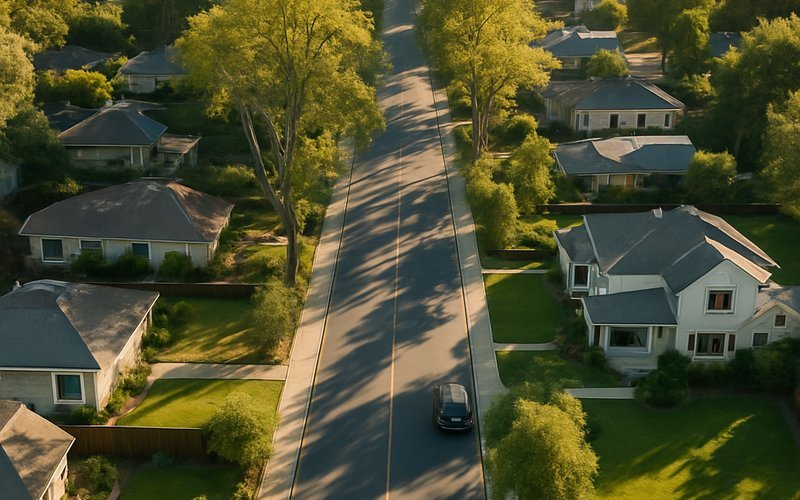
Not every Palo Alto neighborhood gives you the same ADU opportunity. Lot size, setbacks, existing structures, and neighborhood character all factor in. Here’s how the most common ADU-friendly areas break down.
Barron Park
Barron Park lots tend to run larger than the city average, with many parcels offering rear yard depths of 60–80 feet. That makes detached ADUs very buildable here. R-1 zoning is standard, and you’ll typically see 4-foot rear and side setbacks required for a detached ADU under state law. The trade-off: older infrastructure sometimes means sewer lateral upgrades are needed before final ADU inspection.
Midtown
Midtown has a strong mix of two-car garages and single-story homes, which makes it one of the best neighborhoods in Palo Alto for garage conversions. Lot widths are moderate, and most properties have usable rear yards. The main constraint is parking: if you convert your garage, Palo Alto does not require replacement parking for ADUs under state law, but some homeowners still factor it into their planning.
Crescent Park
Crescent Park properties often have larger lots and higher home values, which makes the economics of a detached ADU very favorable. A well-built ADU here can rent for $3,500–$5,500/month, making the payback period meaningful. Design compatibility matters more in this neighborhood, so expect your builder to spend more time on exterior finishes and architectural consistency.
College Terrace and Eichler Neighborhoods
College Terrace has tighter lots, which often means attached ADUs or JADUs are more practical than detached builds. And if your home is an Eichler, there’s an extra layer of design consideration. Eichlers have post-and-beam construction, radiant heating, and flat or low-slope roofs. Not every ADU builder knows how to work with that structure without compromising the original design. Ask specifically about Eichler experience before you hire.
What Should You Look for When Hiring an ADU Builder in Palo Alto?
Before you hire any ADU builder in Palo Alto, verify their CSLB license. You want a Class B General Building Contractor license, which covers the full scope of ADU work including framing, electrical, plumbing, and finish work under one contractor. You can check license status and any complaint history at the CSLB’s online database in about 90 seconds.
Beyond licensing, ask for a permit pull history in Palo Alto specifically. A builder who has pulled permits with the Development Services Center before knows the submittal requirements, the plan checkers’ standards, and the inspection sequence. That local knowledge saves weeks. It’s not something you can fake with a checklist.
Contract Structure Matters
Push for a fixed-price contract, not time-and-materials. In a high cost-of-living market like Palo Alto, labor cost overruns on a time-and-materials contract can add $30,000–$60,000 to a project that was budgeted reasonably. A fixed-price contract puts the risk of overruns on the builder, where it belongs. It also forces the builder to think carefully about scope before signing.
Ask about subcontractor transparency too. Some ADU builders in Palo Alto act as project managers and pass everything to subs. That’s not inherently bad, but you should know who’s actually doing the work, whether they’re licensed, and whether the GC is carrying proper liability insurance for each trade.
Honestly, the lowest bid is almost never the right choice here. A $40,000 gap between the cheapest and mid-range contractor often reflects missing scope items, unlicensed subs, or a builder who will ask for change orders once demolition starts. In Palo Alto, where a good ADU adds significant long-term property value, cutting corners on the builder relationship is a losing trade. For questions to ask any contractor before signing, see this pre-contract checklist for Palo Alto ADU builders.
Can an ADU Builder in Palo Alto Also Handle Room Additions or Kitchen Remodels?
Yes, and bundling projects with a single ADU builder in Palo Alto is often the smartest financial move. A full-service contractor who’s already pulling permits for your ADU can add a room addition in Palo Alto or kitchen remodel to the same permit application set, often saving 15–25% on overhead, mobilization, and design fees compared to running two separate projects.
The savings are real. If your builder is already on-site for an ADU build and you want to update the main house kitchen, the subcontractors are already mobilized. You’re not paying twice for a plumber to show up, twice for electrical rough-in inspections, or twice for project management time. One builder, one schedule, one point of contact.
This also applies to bathroom remodeling in Palo Alto. Homeowners doing a whole-home upgrade alongside an ADU project consistently save on both by keeping everything under one contractor relationship. It’s not just convenient. It’s structurally cheaper because overhead doesn’t double.
The key is making sure your builder has demonstrated experience in all the scopes you’re bundling. An ADU-only specialist may not have the finish work experience for a high-end kitchen or bath. Ask to see examples of both.
What’s the Realistic Timeline to Build an ADU in Palo Alto from Start to Move-In?
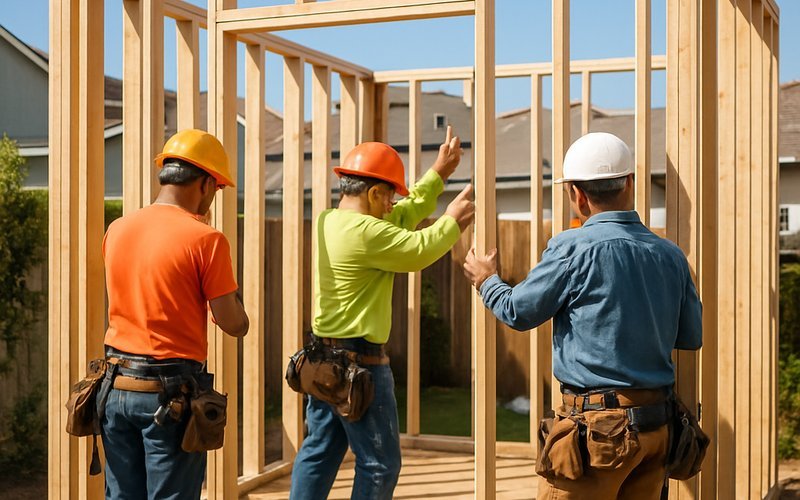
Total project timelines in Palo Alto range from 6–9 months for a garage conversion to 8–14 months for a detached new build. Here’s how each phase breaks down.
| Phase | Garage Conversion | Detached New Build |
|---|---|---|
| Design and Plans | 6–8 weeks | 8–10 weeks |
| Permit Submittal and Plan Check | 4–6 weeks | 6–8 weeks |
| Construction | 10–14 weeks | 18–28 weeks |
| Final Inspection and Sign-Off | 1–2 weeks | 1–2 weeks |
| Total Estimated Timeline | 6–9 months | 8–14 months |
The design phase can’t be rushed if you want a clean permit submittal. Architects and designers familiar with Palo Alto’s requirements will build in time for civil drawings, energy compliance, and structural calculations. Skipping any of these upfront adds correction loops on the back end that cost more time than they saved.
Construction timelines depend heavily on trade availability. Electricians and plumbers in Palo Alto are in high demand, and builders without established subcontractor relationships can lose weeks just scheduling rough-in inspections. This is one more reason local permit pull history matters when you’re choosing a builder.
For a more detailed week-by-week look at the ADU timeline, see the full realistic ADU timeline guide for Palo Alto.
How Do You Get Started With an ADU or Home Addition Project in Palo Alto?
The first step is a lot assessment. Before you hire a designer or builder, you need to know your lot’s rear yard dimensions, existing structure locations, and setback constraints. A builder who knows Palo Alto can often tell you within one site visit whether a detached ADU, attached ADU, or garage conversion makes the most sense for your specific parcel.
From there, consider scheduling a pre-application meeting with Palo Alto’s Development Services Center. These meetings are available for ADU projects and let you confirm your project’s feasibility, ask specific zoning questions, and get early feedback from city staff before you spend money on full architectural drawings. It’s a free step that saves real money.
Once you’ve confirmed feasibility, choose a licensed Class B contractor with demonstrated ADU experience in Palo Alto. If you’re also thinking about a kitchen remodel, review what kitchen remodels actually cost in Palo Alto and ask your builder whether bundling makes sense for your project. Homeowners doing whole-home upgrades, including bathroom remodels and room additions alongside an ADU, consistently save on overhead by keeping everything with one team.
King David Home Builders works exclusively in Palo Alto and the surrounding Peninsula, carries a full Class B CSLB license, and has a documented permit pull history with Palo Alto’s Development Services Center. If you’re ready to move from planning to building, contact King David Home Builders to schedule your site evaluation and get a detailed project estimate.
Frequently Asked Questions
- Do I need owner-occupancy to build an ADU in Palo Alto?
- In Palo Alto, owner-occupancy requirements for ADUs were eliminated under California state law AB 3182, which took effect in 2020 and remains in force through 2026. You do not need to live on the property to build or rent an ADU, meaning investors and non-resident owners can legally construct and lease one. Always confirm current local interpretation with Palo Alto’s Planning and Building Division at 285 Hamilton Avenue, as local rules can add nuance to state law.
- What is the maximum size for a detached ADU in Palo Alto?
- In Palo Alto, a detached ADU can be up to 1,200 square feet, in line with California state law that sets this as the statewide maximum for detached units. Single-story detached ADUs may reach up to 16 feet in height, while two-story units are subject to additional setback and design review requirements. Your lot size, existing structure footprint, and zoning designation can all affect what’s actually approvable on your specific parcel.
- How much do ADU permits cost in Palo Alto?
- In Palo Alto, ADU permit fees typically run between $8,000 and $20,000 depending on the project scope, unit size, and whether new utility connections are required. This includes plan check fees, building permit fees, and school impact fees, which in the Palo Alto Unified School District can add $4,000 to $7,000 for units over 500 square feet. Budget these fees into your total project cost from day one so they don’t catch you off guard mid-project.
- Can I rent out my ADU immediately after it’s built in Palo Alto?
- Yes, once your ADU receives a final inspection sign-off and a certificate of occupancy from Palo Alto’s Building Division, you can rent it out immediately with no mandatory waiting period. California state law prohibits local agencies from imposing owner-occupancy requirements that would delay rentals, so you’re legally free to list it the day the permit is finaled. Short-term rentals through platforms like Airbnb are subject to Palo Alto’s separate short-term rental ordinance and require a business license.
- Does building an ADU in Palo Alto require a separate utility meter?
- In Palo Alto, a separate utility meter is not always required for an ADU, but it is generally recommended if you plan to rent the unit independently so tenants can manage their own utility bills. PG&E serves electricity in most of Palo Alto, while the city itself operates its own fiber and utility services through Palo Alto Utilities. Your ADU builder should coordinate with both agencies early in the design phase, since utility lateral connections and panel upgrades can add $5,000 to $15,000 to project costs.
- What’s the difference between a JADU and a full ADU in Palo Alto?
- A Junior ADU, or JADU, is a unit of up to 500 square feet created entirely within the walls of an existing single-family home, including attached garages, and must include an efficiency kitchen. A full ADU can be detached, attached, or a garage conversion and can reach up to 1,200 square feet with a complete kitchen and bathroom. In Palo Alto, JADUs have simpler permit requirements and lower fees, making them a faster and less expensive option if your existing home has the right layout to accommodate one.