
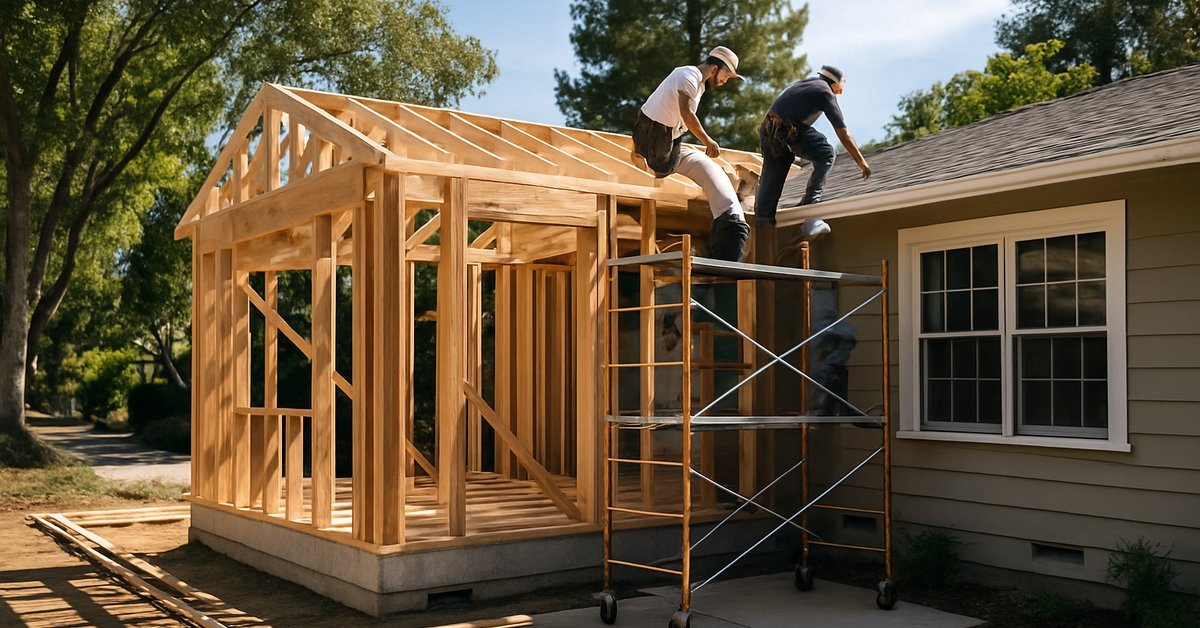
Palo Alto homeowners are sitting on some of the most valuable lots in California, and the decision about what to build next is rarely simple. Whether you’re weighing an ADU for rental income, a room addition for a growing family, or a full custom build, the right choice depends on your specific lot, your goals, and your budget. Bay area home builders who work in Palo Alto regularly see homeowners underbuild or overbuild for their situation, and either mistake is expensive. This guide breaks down every project type side by side, with real costs, actual timelines, and neighborhood-specific examples so you can make the right call before you spend a dollar.
Get a free estimate from a licensed Palo Alto contractor before you commit to any project type.
ADU, Room Addition, or Custom Build: How Do Palo Alto Homeowners Decide?
The right project for your Palo Alto home comes down to three factors: how much of your lot you can use, what you need the space for, and how long you plan to stay. Bay area home builders working in Palo Alto see a clear pattern: homeowners who generate rental income usually go ADU, those adding family space go room addition, and those replacing an older tear-down home go custom build.
Palo Alto’s R-1 single-family zones allow ADUs on most lots, but setback requirements and lot coverage limits shape what’s actually feasible. A detached ADU needs a minimum 4-foot rear and side setback under state law, though Palo Alto’s local ordinance may apply stricter standards to properties with certain deed restrictions. A room addition typically requires less site work and integrates into your existing foundation. A custom build is the most disruptive option but gives you complete control over layout, systems, and energy efficiency from the ground up.
So how do you choose? Here’s a side-by-side comparison of all three project types across the factors Palo Alto homeowners actually care about:
| Project Type | Best For | Typical Cost (2026) | Timeline (Permit to Completion) | Lot Requirement |
|---|---|---|---|---|
| Detached ADU | Rental income, in-law suite | $180,000–$320,000 | 10–18 months | Most R-1 lots qualify |
| Room Addition | Extra bedroom, family room, office | $120,000–$280,000 | 8–14 months | Requires side or rear yard space |
| Second-Story Addition | Adding space without losing yard | $200,000–$380,000 | 12–18 months | Structural review required |
| Custom Build (tear-down) | Replacing aging home, full redesign | $600,000–$1.2M+ | 18–30 months | Any R-1 lot; demolition required |
Honestly, most homeowners don’t need a custom build. If your existing structure is sound and you have usable yard space, a room addition or ADU will deliver the most value per dollar spent in Palo Alto’s market.
What Does Each Project Type Actually Cost in Palo Alto in 2026?

In Palo Alto, construction costs run 15–25% higher than Bay Area averages, driven by high labor rates, soil conditions in certain areas, and strict plan-check requirements. Here’s what you’ll actually pay across project types in 2026.
| Project | Low End | High End | Key Cost Drivers |
|---|---|---|---|
| Junior ADU (JADU, inside existing home) | $60,000 | $120,000 | Kitchen installation, separate entrance, electrical upgrade |
| Detached ADU (400–800 sq ft) | $180,000 | $320,000 | Foundation, utility connections, site grading |
| Room Addition (200–500 sq ft) | $120,000 | $200,000 | Foundation tie-in, roofline match, permit fees |
| Large Room Addition (500–900 sq ft) | $200,000 | $280,000 | Structural engineering, HVAC extension, finishes |
| Kitchen Remodel (mid-range) | $65,000 | $110,000 | Cabinetry, countertops, appliances, layout changes |
| Custom Build (new construction) | $600,000 | $1,200,000+ | Demolition, full permits, design, all systems new |
A homeowner in the Barron Park neighborhood recently completed a 480 sq ft detached ADU for approximately $248,000. Their project required a utility trench to the street for a new sewer lateral, which added about $18,000 to the base cost. That kind of site-specific expense is common in older Palo Alto neighborhoods and often surprises homeowners who price by square foot alone.
Your biggest cost variable isn’t the finishes. It’s what’s underground. Soil bearing capacity, existing utility locations, and proximity to the main house all drive real dollars. Always budget a 10–15% contingency on top of your contractor quote.
If you’d like an accurate quote for your specific lot, connect with our Palo Alto room addition team for a site-specific assessment.
How Does Palo Alto’s Permitting Process Affect Your Project Timeline?
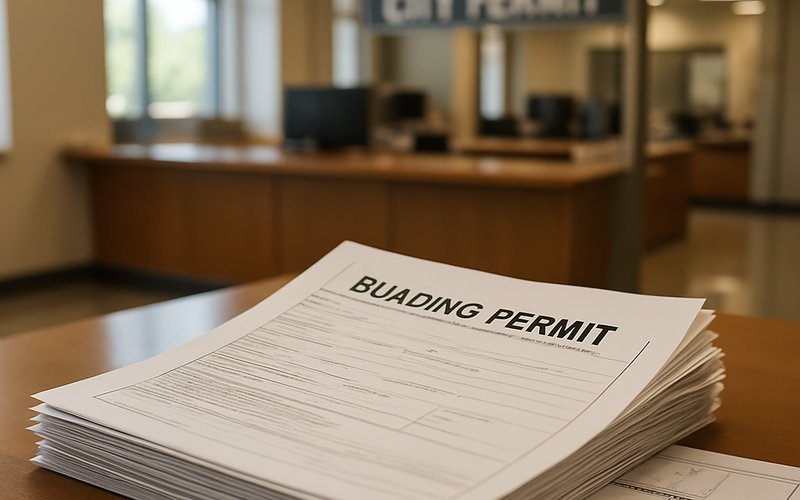
In Palo Alto, all room additions, ADUs, and new construction require permits through the City of Palo Alto Planning and Development Services Department, located at 285 Hamilton Avenue. Plan check times and approval timelines directly control when you can break ground.
For a standard room addition, you’ll typically submit architectural drawings, a structural engineering package, and energy compliance documentation (Title 24). First plan check review currently takes 6–10 weeks for over-the-counter and 10–16 weeks for full building permit submittals, depending on project complexity and department workload in 2026.
ADU Permitting in Palo Alto
ADUs benefit from California’s streamlined ADU approval laws. Under state law, Palo Alto must approve or deny an ADU application within 60 days of receiving a complete application. In practice, getting to a “complete” submission often takes several rounds of pre-application feedback. Budget 3–5 months from first submission to permit issuance for a standard detached ADU.
Palo Alto also requires separate utility connections for detached ADUs in most cases, which means coordinating with PG&E and the city’s Public Works department. That coordination alone can add 4–8 weeks to your overall schedule.
Custom Build Permitting
Custom builds go through full discretionary review if the project triggers design review thresholds, which it often does for homes above certain floor-area ratios in Palo Alto’s R-1 zones. Expect 6–12 months just for approvals before construction starts. This is the single biggest timeline risk for custom builds, and it’s why your builder’s experience with Palo Alto’s plan check process matters as much as their construction skills.
Check the home remodeling permit guide for Palo Alto for a breakdown of what each project type requires at the city level.
Which Palo Alto Neighborhoods See the Most ADU and Addition Activity?
ADU and addition activity in Palo Alto concentrates in neighborhoods with larger lots, older housing stock, and proximity to Caltrain and major employers. You’ll find the highest permit volume in four specific areas.
Barron Park has seen consistent ADU activity due to its larger R-1 lots and relatively more affordable entry prices compared to central Palo Alto neighborhoods. Many Barron Park homeowners are adding detached ADUs as long-term income plays.
Midtown Palo Alto is one of the busiest areas for room additions. The neighborhood’s post-war ranch-style homes sit on lots that can accommodate 200–400 sq ft additions without eating up the entire rear yard. A homeowner on a typical Midtown lot might expand a 3-bedroom home to 4 bedrooms for $145,000–$175,000 depending on finish level.
South Palo Alto near Gunn High School sees strong demand for in-law ADUs and second-story additions, often from multi-generational families. The lots tend to be deep, which helps with detached ADU placement and setback compliance.
Crescent Park is where you’ll see the most custom build activity. Older homes on larger lots are being torn down and replaced with new construction. These are typically high-budget projects in the $900,000–$1.5M range for the build alone, separate from land cost.
Is a Kitchen Remodel in Palo Alto Worth Doing Alongside a Larger Project?
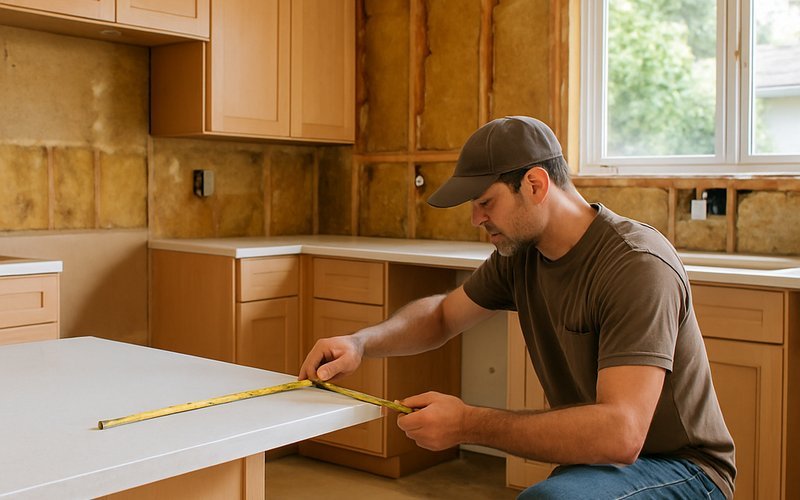
Bundling a kitchen remodel with a room addition or ADU project is one of the smartest financial moves a Palo Alto homeowner can make. You’re already paying for a general contractor, permits are partially overlapping, and your home is already disrupted. Adding a kitchen remodel during the same mobilization saves $15,000–$30,000 compared to doing it as a standalone project later.
That said, a kitchen remodel only makes sense as an add-on if your existing kitchen is genuinely limiting your home’s function or resale value. In Palo Alto’s market, a dated kitchen in a home that just received a new ADU or addition can actually suppress the perceived value of the entire renovation. Buyers and appraisers notice the mismatch.
A mid-range kitchen remodel in Palo Alto, including new cabinetry, countertops, appliances, and layout adjustments, typically runs $65,000–$110,000. A higher-end remodel with custom cabinetry, professional-grade appliances, and structural changes can reach $140,000–$180,000. For most homeowners bundling with an addition, the $75,000–$95,000 range hits the sweet spot between quality and ROI.
For a full breakdown of kitchen remodel costs and what drives them in Palo Alto, see Kitchen Remodeling in Palo Alto: Real Costs, Permits & What to Expect in 2026.
What Should You Look for When Hiring Home Builders in Palo Alto?
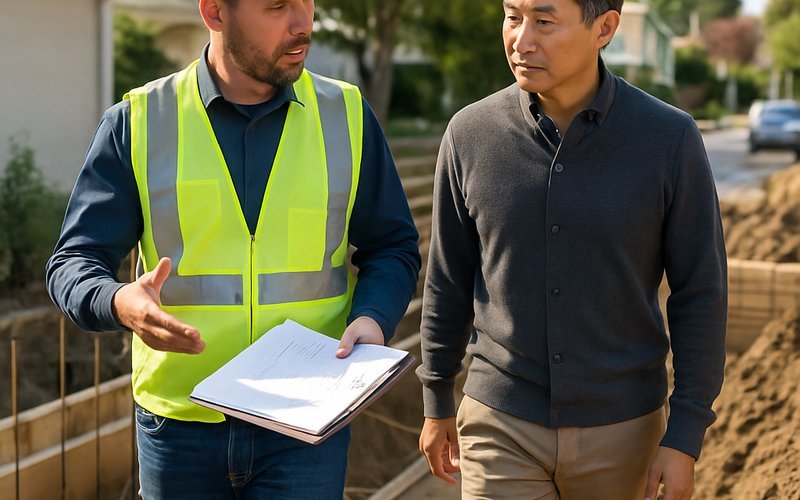
The right bay area home builders for your Palo Alto project share three traits: they hold an active California Class B General Contractor license, they have direct experience pulling permits through the City of Palo Alto Planning and Development Services Department, and they can show you completed projects in your specific neighborhood.
Before you hire anyone, ask these questions directly:
- Can you show me a permit history from Palo Alto specifically? (Not just the Bay Area generally.)
- Do you handle design, engineering, and permit filing in-house, or do you subcontract those?
- What’s your typical plan check revision rate with Palo Alto’s building department?
- How do you handle site-specific surprises like utility conflicts or soil issues?
- Can I speak with a homeowner in Midtown, Barron Park, or South Palo Alto who you’ve worked with recently?
Design-build firms that handle architecture, engineering, and construction under one roof are generally faster in Palo Alto. Separate architectural firms and GCs working independently often lose 4–8 weeks to communication gaps during plan check revisions. That coordination gap costs you real money in carrying costs and delayed occupancy.
Licensing matters. Verify your contractor’s CSLB license number at the California Contractors State License Board website before signing anything. An active Class B license with no disciplinary actions is the minimum bar. Don’t skip this step. It takes five minutes and protects your entire project budget.
Also ask about subcontractor relationships. In Palo Alto, the best builders maintain long-term relationships with local electricians, plumbers, and structural engineers who know the city’s inspection standards. A new contractor piecing together a subcontractor list for your job from scratch is a real risk.
Comparing your Palo Alto options to nearby markets can also be useful context. If you’ve looked at room additions in Mountain View, you’ll notice Palo Alto permit timelines and labor costs tend to run slightly higher, which is worth factoring into your budget and schedule from day one.
Ready to Build? Next Steps for Palo Alto Homeowners
You’ve done the research. Now here’s what to actually do next. Start with a site assessment, not a quote. A good Palo Alto contractor will walk your lot before giving you any number, because the variables that drive your real cost are all on-site: your setbacks, your existing utility locations, your soil, your roofline, your HOA status if applicable.
Get at least two written bids from licensed Bay Area contractors with documented Palo Alto permit history. Make sure both bids cover the same scope in writing. Verbal scope agreements fall apart the moment a change order conversation starts.
If you’re bundling projects, like an ADU plus a kitchen remodel, or a room addition plus a bathroom upgrade, discuss that bundling upfront with every bidder. Some contractors will give you meaningful discounts for combined scope. Others won’t. You need to know before you sign.
And give yourself honest timeline expectations. Even a straightforward room addition in Palo Alto takes 8–14 months from first contractor meeting to final occupancy. Custom builds run 18–30 months. If anyone promises you significantly faster without a specific explanation of why your project is different, press them hard on that claim.
King David Home Builders has worked extensively with Palo Alto homeowners on ADUs, room additions, kitchen remodels, and custom builds. If you’re ready to talk about your specific lot and goals, reach out for a free consultation and let’s figure out which project actually makes sense for you.