
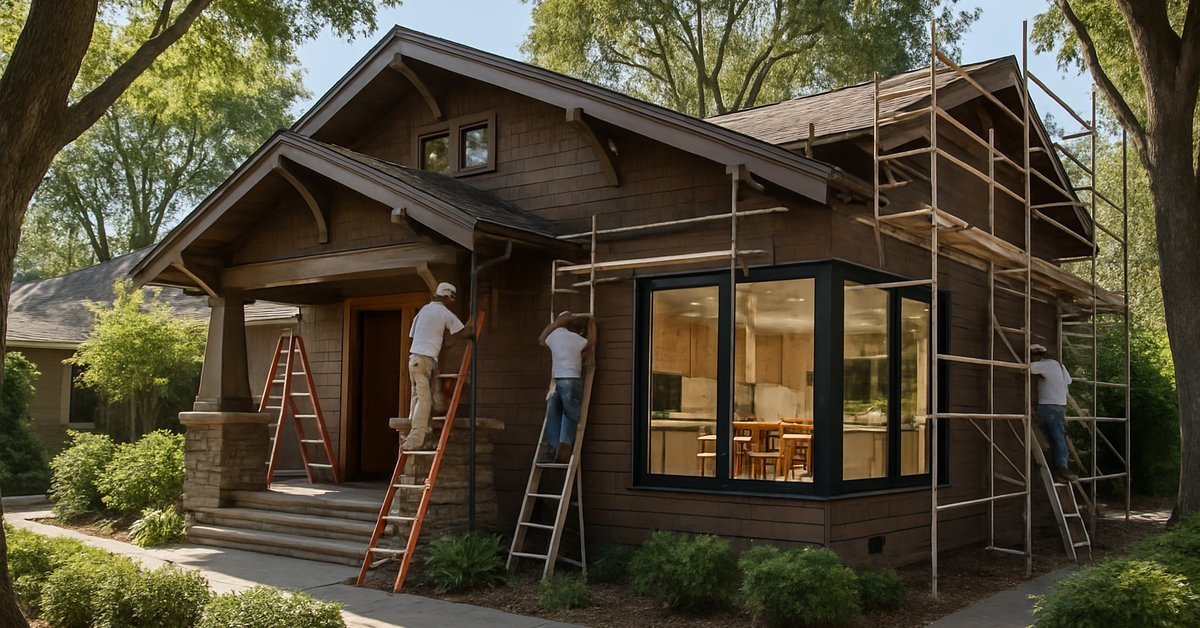
When it comes to home remodeling, Palo Alto homeowners often find themselves staring at a house that hasn’t changed since 1985, a backyard big enough for an ADU, and a kitchen that belonged in a different decade. Home remodeling in Palo Alto forces every homeowner to face the same question: what do you tackle first, and can you do it all at once? A full-scope remodel here runs $80,000 on the low end to well over $350,000 for combined projects. Palo Alto’s Development Services Center has specific permit thresholds, design review triggers, and setback rules that directly affect your timeline and budget. This guide breaks down each project type, explains how they interact, and gives you the numbers you need to make a real decision. Get a free estimate from a licensed Palo Alto contractor once you know your scope.
What Does a Full Home Remodel Actually Cost in Palo Alto?
Home remodeling in Palo Alto costs more than almost anywhere else in California. Labor rates run 30–45% higher than the national average, permit fees stack up quickly, and material lead times can push timelines out by weeks. That said, you’re also in one of the highest-appreciation real estate markets in the country, so the investment math still works.
| Project Type | Typical Cost Range | Average Timeline | Permit Required? |
|---|---|---|---|
| Kitchen Remodel (mid-range) | $45,000–$80,000 | 8–14 weeks | Yes |
| Kitchen Remodel (high-end) | $85,000–$120,000+ | 12–20 weeks | Yes |
| Room Addition (500–700 sq ft) | $120,000–$200,000 | 4–7 months | Yes |
| Room Addition (800–1,200 sq ft) | $180,000–$250,000 | 6–10 months | Yes |
| Garage Conversion ADU | $100,000–$180,000 | 4–7 months | Yes |
| Detached ADU (new construction) | $220,000–$320,000+ | 8–14 months | Yes |
| Full Home Remodel (multiple scopes) | $200,000–$450,000+ | 10–18 months | Yes |
Your biggest cost driver won’t be materials. It’ll be labor and design. Subcontractors in Palo Alto charge premium rates because demand is constant and the talent pool is tight. Budget a contingency of 15–20% on top of any contractor quote. Surprises in older homes, especially anything built before 1980, are the rule rather than the exception.
Honestly, most contractors will tell you to start with a structural assessment before committing to any number. In Palo Alto’s older neighborhoods, you’ll often find knob-and-tube wiring or undersized panels that need upgrading before a single cabinet goes in. That adds $8,000–$25,000 to the base cost before you’ve picked a countertop.
Which Palo Alto Neighborhoods Drive the Most Remodeling and ADU Projects?
Four Palo Alto neighborhoods consistently generate the most remodeling and ADU activity: Barron Park, Midtown, Ventura, and Crescent Park. Each has distinct characteristics that shape what kind of project makes sense.
Barron Park has large lots, many of which comfortably accommodate detached ADUs. The neighborhood’s single-family R-1 zoning and typical lot depths make 800–1,000 sq ft ADUs feasible on many parcels. A homeowner in Barron Park recently completed a detached ADU and kitchen remodel simultaneously, bringing total project cost to $390,000 but adding a rental unit that now generates $3,200/month in income.
Midtown homes, many from the 1950s and 1960s, are prime candidates for room additions. The existing footprints are compact by modern standards, and lot coverage allowances often permit 400–600 sq ft of additional space. Kitchen remodels in Midtown frequently get bundled with layout changes because the original floor plans rarely reflect how families actually live today.
Ventura is one of Palo Alto’s more active ADU markets. Proximity to transit and the neighborhood’s rental demand make garage conversions and backyard cottages especially attractive. Expect more scrutiny on design compatibility from the City of Palo Alto Planning and Development Services, particularly if your property is near one of the neighborhood’s historic streetscapes.
Crescent Park is Palo Alto’s highest-value residential area. Projects here tend to skew toward premium kitchen remodels, primary suite additions, and full-home renovations. Budget expectations are different. A kitchen remodel that would cost $65,000 in Midtown often runs $95,000–$110,000 in Crescent Park because clients expect higher-end finishes and the labor bids reflect that.
ADU Builders in Palo Alto: What’s Included and What to Expect?
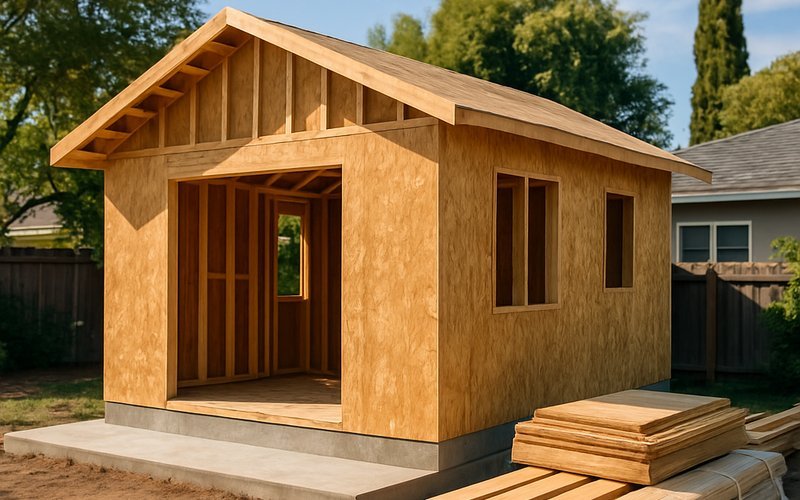
ADU construction in Palo Alto follows California’s streamlined ADU law, but the City of Palo Alto adds its own design and setback requirements on top of state minimums. You need to understand both layers before you start.
Palo Alto allows ADUs up to 1,200 sq ft for detached units, with setback requirements of 4 feet from the rear and side property lines in most R-1 zones. Junior ADUs (JADUs) are capped at 500 sq ft and must be within the existing primary dwelling footprint. Garage conversions are the fastest-to-permit ADU type because they use existing structures, which avoids some design review triggers. For a detailed breakdown of what Palo Alto specifically requires, see this guide to Palo Alto ADU permit requirements.
What a Full ADU Build Includes
When you hire an ADU builder in Palo Alto, a full-service contract should cover site assessment and feasibility, architectural drawings, permit submission, foundation or structural work, framing, MEP (mechanical, electrical, plumbing), insulation, drywall, finishes, and inspections. Some contractors break these into separate design and construction contracts. Others offer a single design-build agreement. The design-build model typically saves 4–8 weeks on project timeline because the handoff between design and construction is internal.
What you won’t always see itemized: utility connection fees. Palo Alto Utilities, the city-run electric and water department, charges connection and capacity fees that can add $8,000–$15,000 to an ADU project. Get those numbers in writing before you finalize your budget. For a complete look at what different ADU types cost in Palo Alto, the ADU cost guide for Palo Alto breaks it down by type.
And don’t skip the soils report if you’re building detached. Palo Alto has pockets of expansive clay soil, especially in lower-lying areas. A soils report costs $1,500–$3,000 and can save you from a foundation surprise mid-build.
Room Additions in Palo Alto: When Does It Make More Sense Than Moving?
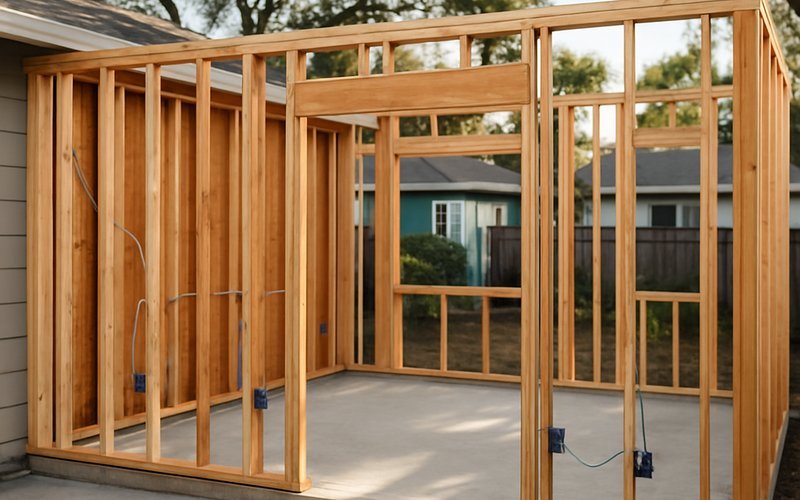
With Palo Alto median home prices consistently above $3.5 million, moving to get more space is rarely the cheaper option. A room addition at $150,000–$220,000 often makes more financial sense than the transaction costs, taxes, and higher mortgage associated with buying up.
The break-even analysis is pretty simple. If your current home is in the school district or neighborhood you want, and your lot has available square footage under Palo Alto’s lot coverage rules (typically 40–50% maximum lot coverage in R-1 zones), an addition keeps you in place and adds lasting value. If you’re already at maximum lot coverage, you’ll need to look at a second-story addition or a different approach entirely.
Second-story additions are popular in Palo Alto’s Midtown and Ventura neighborhoods, where single-story homes sit on lots with no room to expand horizontally. They typically run $180,000–$270,000 and require more structural engineering because you’re loading an existing foundation. The second-story addition guide for Palo Alto walks through when this makes sense structurally and financially.
So when does moving beat adding? If you need more than two rooms of additional space, or if your home has structural or site limitations that drive addition costs above $300,000, a move-up purchase might pencil out. But for most Palo Alto homeowners adding a primary suite, a home office, or a family room, the addition wins.
Kitchen Remodeling in Palo Alto: Scope, Cost, and Permit Reality
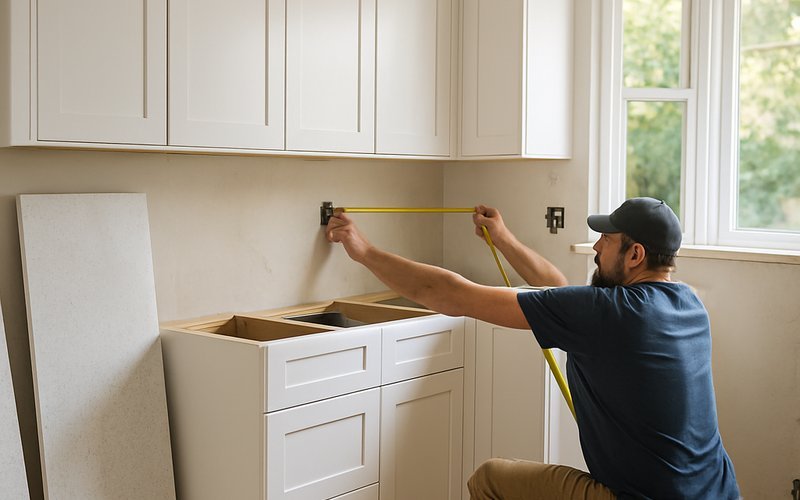
Kitchen remodeling in Palo Alto is one of the most consistently requested projects, and also one of the most underestimated in cost. Most homeowners come in expecting a $40,000 project and leave with a $70,000 contract. That gap is almost always explained by three things: layout changes, structural surprises, and finish selections.
A mid-range kitchen remodel in Palo Alto, including new cabinets, countertops, appliances, backsplash, and lighting, runs $45,000–$80,000. Move a wall, relocate plumbing, or upgrade the panel, and you’re at $80,000–$120,000. High-end custom kitchens with imported stone, premium appliances, and custom cabinetry can push past $150,000 in Palo Alto without blinking.
What Triggers a Permit in Palo Alto
Not every kitchen project requires a permit. Cosmetic work like painting, replacing cabinet doors, or swapping fixtures typically doesn’t. But the moment you move a wall, relocate electrical, add circuits, change plumbing rough-in, or alter structural elements, you need a permit from Palo Alto’s Development Services Center. Skipping permits on a Palo Alto kitchen remodel is a serious mistake. It creates title issues when you sell and can require costly demolition if a building inspector catches unpermitted work.
For a deeper look at what actually triggers permit requirements and how to navigate the process, this permit guide for Palo Alto kitchen remodels is worth reading before you start. And if you’re planning a remodel, avoid the common errors covered in this breakdown of kitchen remodeling mistakes Palo Alto homeowners make.
What Does Palo Alto’s Development Services Center Require for Remodeling Permits?

Palo Alto’s Development Services Center handles all building permits, plan reviews, and inspections for residential remodeling. It’s located at 285 Hamilton Avenue and processes applications both in person and through the city’s online ePlans portal.
| Project Type | Permit Type | Plan Review Timeline | Typical Permit Fee Range |
|---|---|---|---|
| Kitchen Remodel (cosmetic) | No permit required | N/A | $0 |
| Kitchen Remodel (structural/MEP) | Building permit | 4–8 weeks | $2,500–$6,000 |
| Room Addition | Building permit + site review | 6–12 weeks | $6,000–$15,000 |
| Garage Conversion ADU | Building permit (ministerial) | 60 days maximum (state law) | $4,000–$10,000 |
| Detached ADU (new construction) | Building permit + site review | 60–90 days | $8,000–$18,000 |
| Second-Story Addition | Building permit + architectural review | 8–14 weeks | $8,000–$20,000 |
Palo Alto’s architectural review process applies to projects visible from the street or that significantly alter a home’s exterior. This review can add 4–10 weeks to your permit timeline and requires drawings that meet specific design compatibility standards. Budget for it. Contractors who tell you permitting is quick and easy in Palo Alto haven’t done many projects here.
One important note: Palo Alto imposes a school impact fee on ADU construction, currently around $3.79 per sq ft for residential additions and ADUs. It’s paid at permit issuance. Small, but don’t let it catch you off guard.
How Do You Bundle an ADU, Room Addition, and Kitchen Remodel Into One Project?
Bundling multiple scopes into one project is often smarter than tackling them sequentially. Here’s why: your contractor mobilization cost is a fixed expense. You pay it once whether you’re doing a kitchen remodel or a kitchen remodel plus an ADU. Combining projects spreads that overhead across more work, which typically lowers your per-square-foot cost by 10–15%.
There’s also a permit efficiency argument. If your ADU and room addition both require site plan review, submitting them together means one review cycle rather than two. That can save 2–4 months on your overall project timeline.
But bundling adds complexity. You need a contractor, or a design-build firm, experienced enough to coordinate multiple subcontractors across multiple scopes without letting one trade bottleneck another. A kitchen remodel stalling because the electrician is tied up on the ADU is a real scenario. Ask any contractor you’re considering how they manage schedule conflicts across concurrent scopes before you sign.
If you’re considering a project of this scale and want to compare how a firm operating across the Peninsula handles multi-scope builds, the team at King David Home Builders’ custom home services in San Mateo has documented experience with exactly this kind of phased, multi-permit work in high-regulation Bay Area cities.
How Do You Choose the Right Home Remodeling Contractor in Palo Alto?
The right home remodeling contractor in Palo Alto isn’t the cheapest bidder. It’s not the largest company. It’s the one with verifiable local permit history, a clean contractor’s license, and references from Palo Alto projects specifically.
Before you hire anyone, verify their California State License Board (CSLB) license. A general contractor needs a Class B license. Specialty trades need their own licenses. You can check any license at cslb.ca.gov in about 30 seconds. It’s worth doing.
Questions That Separate Good Contractors from Great Ones
- How many permits have you pulled in Palo Alto in the last two years, and can I see examples?
- Do you use in-house trades or subcontractors, and how do you manage scheduling conflicts?
- What’s your process when a permit gets kicked back by the Development Services Center?
- Can you provide references from Palo Alto homeowners who completed a similar scope?
- How do you handle scope changes and additional costs — fixed-price or time-and-materials?
Honestly, any contractor who can’t answer those questions confidently probably hasn’t done much work in Palo Alto. Permit history is public record. Ask them to show you their pulls on the city’s system, not just a reference list.
Also watch out for contractors who push you toward unpermitted work to save time. In Palo Alto’s market, unpermitted additions or ADUs can kill a sale or trigger a compliance order. The short-term savings aren’t worth it.
Home remodeling in Palo Alto is a significant investment, and the planning decisions you make before construction starts determine whether it goes smoothly or sideways. If you’re ready to get specific numbers for your project, King David Home Builders works with Palo Alto homeowners on ADUs, room additions, kitchen remodels, and multi-scope projects, and can walk through your lot, your timeline, and your budget before you commit to anything.
Frequently Asked Questions
- Do I need a permit for a kitchen remodel in Palo Alto?
- In Palo Alto, you need a building permit for any kitchen remodel that involves moving or adding electrical circuits, relocating plumbing, removing walls, or installing a new gas line. Cosmetic work like cabinet refacing, painting, or swapping fixtures typically doesn’t require a permit. Palo Alto’s Development Services Center handles permit applications, and plan check for a standard kitchen remodel runs roughly 4–8 weeks depending on project complexity.
- How long does a room addition take in Palo Alto?
- In Palo Alto, a room addition typically takes 6–10 months from design through final inspection, with permitting alone accounting for 8–14 weeks of that timeline. Construction on a 300–500 sq ft addition usually runs 10–16 weeks once permits are approved. Larger or more complex additions involving second stories or hillside lots near the Foothills area can push the total timeline past 12 months.
- Can I build an ADU and remodel my kitchen at the same time in Palo Alto?
- Yes, and bundling an ADU with a kitchen remodel in Palo Alto is a smart way to consolidate contractor time and reduce overall disruption. You’ll submit separate permit applications for each scope of work, but many Palo Alto contractors will sequence them so foundation and framing work happens simultaneously with demo and rough-in on the kitchen side. Expect total project timelines of 10–14 months when combining the two, and budget for a single general contractor to coordinate all subcontractors.
- What is the average cost of an ADU in Palo Alto in 2026?
- In Palo Alto in 2026, a detached ADU typically costs between $280,000 and $520,000 depending on size, finishes, and site conditions. A garage conversion ADU runs cheaper at $120,000–$200,000, while a new 600–800 sq ft detached unit with full kitchen and bath lands in the $320,000–$480,000 range. High land values in neighborhoods like Squares and Old Palo Alto mean ADUs pencil out well as rental units, with monthly rents commonly reaching $2,800–$4,200 for a one-bedroom.
- Which is cheaper in Palo Alto: a garage conversion ADU or a room addition?
- In Palo Alto, a garage conversion ADU is almost always cheaper than a room addition, typically costing $120,000–$200,000 versus $180,000–$380,000 for a comparable room addition. The garage conversion saves money because the foundation, slab, and roof structure already exist, so you’re mostly spending on insulation, drywall, plumbing, electrical, and finishes. A room addition requires new foundation work, framing, and roofing from scratch, which drives costs up significantly even for modest square footage.
- Does Palo Alto require owner-occupancy to build an ADU?
- As of 2026, Palo Alto does not require owner-occupancy to build or rent an ADU, following California state law changes that eliminated local owner-occupancy mandates. You can build an ADU on a rental property you don’t personally live in, and you can rent both the primary home and the ADU to separate tenants. You should confirm current zoning conditions with Palo Alto’s Planning and Development Services division before submitting plans, since local interpretations of state ADU law can still affect setbacks and lot coverage limits.